
Imagine living in a home where someone else pays most of your mortgage. No, this is not a trick. It is a real strategy, and beginners use it every day to break into real estate.
It is called house hacking. If you have ever felt locked out of investing because homes cost too much, this is the door that opens.
So what is house hacking, and how can a regular person start? Let me explain it in plain English.
What Is House Hacking?
House hacking means you buy a home, live in part of it, and rent out the rest. The rent your tenants pay helps cover your mortgage. Sometimes it covers all of it.
The most common setup is a small multi-unit building, like a duplex, triplex, or fourplex. You live in one unit and rent out the others. But you do not need a multi-unit building to start.
You can also house hack by:
- Renting out spare bedrooms in a single-family home
- Finishing a basement and renting it as a separate space
- Turning a garage into a small rental unit
The big idea is simple. Your home earns money while you live in it. That one change can shift your whole money picture. If you want a deeper walkthrough, start with my house hacking guide.
Why House Hacking Works So Well for Beginners
For a new investor, real estate can feel out of reach. Down payments are big. Banks want to see steady income. Paying a mortgage on top of rent sounds impossible.
House hacking solves these problems at the same time. Here is why so many first-time investors start here.
A Lower Cost to Get In
When you live in the home, you can use an owner-occupied loan. Some of these loans need as little as 3.5% down. That is far less than the 20% to 25% a pure rental usually requires.
Built-In Cash Flow
The rent from the other units lands in your account each month. That money goes straight toward your mortgage payment. You are not carrying the whole cost alone.
You Can Live for Free (or Close to It)
In many markets, the rent from the other units covers your full mortgage. When that happens, your housing cost drops to nearly zero. I have seen new investors cut their monthly bills by $1,000 or more within the first two months.
Real Experience With Low Risk
You learn how to be a landlord while living right there. You handle small repairs and tenant questions up close. It is hands-on training, and you only manage one property to start.
You Build Equity Every Month
Each mortgage payment chips away at your loan. Over time, you own more and more of the home. You build wealth while spending less. That is a rare combo.
How DSCR Loans Supercharge House Hacking
Here is something most beginners do not know. There is a loan built for rental properties, and it can help you grow fast.
It is called a DSCR loan. DSCR stands for Debt Service Coverage Ratio. In plain terms, the lender checks one thing: does the rent cover the loan payment? If the answer is yes, you can often qualify.
A normal mortgage looks at your job and your pay stubs. A DSCR loan looks at the property's income instead. That helps people who are self-employed or who have income that is hard to prove.
Most house hackers start with an FHA or conventional loan, because those allow you to live in the home with a small down payment. Then, when you move out, you can refinance into a DSCR loan and do it all again on your next property. Want the full picture? Read my guide to DSCR loans for house hackers, then see how the cycle continues in my posts on a DSCR loan after house hacking and the house hack to DSCR refinance play.
How to Take Your First Step
You do not need to know everything to start. You just need a clear first move. Here is the path I give new investors.
Step 1: Learn Your Market
Find out what homes cost in your area and what rent they bring in. Good deals start with good information. Tools like PropStream let you pull property data and rent comps so you know what a home is really worth.
Step 2: Run the Numbers
Before you fall in love with a house, run the math. Add up the mortgage, taxes, insurance, and a cushion for repairs and empty months. Then compare that to the rent you can collect. I model every deal in DealCheck so I know the numbers work before I make an offer. You can also use my free deal analyzer to check cash flow in seconds.
Step 3: Pick Your Strategy
Decide how you want to house hack. A duplex is the classic starter. Renting spare rooms is the cheapest way in. A garage or basement unit can add income to a home you already like. See how a garage pays off in my guide to garage conversion house hacking, and check my deal systems page for the full plan from purchase to refinance.
A Simple Example
Let me show you how the math can look.
| The Deal | The Numbers |
|---|---|
| Buy a duplex | $300,000 |
| Rent from the other unit | $1,400 a month |
| Your total mortgage payment | $1,800 a month |
| Your real out-of-pocket cost | $400 a month |
In this example, you live in a home for $400 a month instead of $1,800. That is $1,400 saved every month. Roll that savings into your next deal, and you are on your way to a real portfolio.
Is House Hacking Right for You?
House hacking is not for everyone. You need to be okay living near your tenants, at least for a while. You will get the occasional repair call. And you have to treat the property like a business, not just a home.
But if you are tired of paying rent with nothing to show for it, this is worth a serious look. The numbers work in most markets. The loans exist. And the strategy has helped thousands of beginners build wealth faster than they thought they could.
Frequently Asked Questions
Do I need a lot of money to start house hacking?
Not always. Owner-occupied loans like FHA can allow as little as 3.5% down. DSCR loans need more, usually 20% to 25% down, but they skip the income paperwork. Many beginners start with FHA on a duplex, then move to DSCR loans as they grow.
Can I use a DSCR loan if I plan to live in the property?
DSCR loans are usually for rentals you do not live in. If you plan to live in one unit, start with an FHA or conventional loan. Once you move out, you can refinance into a DSCR loan and repeat the strategy.
How many units do I need?
A duplex (two units) is the most common starting point. A triplex or fourplex brings in more rent and can cover your mortgage more easily. Buildings with five or more units move into commercial lending, so most house hackers stick to two to four units. To see how local areas stack up, check my guide to the best Auburn, Alabama areas for house hacking.
What is the biggest mistake beginners make?
They forget about hidden costs. Many new investors plan for the mortgage but skip repairs, empty months, and management. Always run your numbers with about 10% set aside for vacancy and 10% for maintenance before you buy. Also compare your loan options first; my post on FHA vs conventional vs DSCR for house hacking breaks it down.
The Bottom Line
House hacking is the most beginner-friendly way into real estate I know. You buy a home, cut your living costs, and build equity all at once. Then you do it again.
You do not need a huge bank account or years of experience. You need a clear plan and the courage to take the first step. Learn the market. Run the numbers. Pick your strategy. The right financing can make all the difference in building long-term wealth through real estate.
Ready to begin? Grab my free investor tools to find deals, check the math, and line up the loan for your first house hack.
Greg Lee is a real estate investor based in Auburn, Alabama. He specializes in residential fix-and-flip projects and building a long-term rental portfolio using the BRRRR method and DSCR financing. Greg's focus is on ROI-first investing, risk management, and building systems that generate consistent income without sacrificing time with family. He shares practical strategies for new and experienced investors at dscrhousehacking.live/.
Keep Learning

House Hacking With an FHA Loan: The 3.5% Down Playbook
House Hacking With an FHA Loan: The 3.5% Down Playbook DSCR House HackingHome › Blog House Hacking With an FHA Loan: The 3.5% Down Playbook By Greg Lee · Published October 16, 2026 · 8 min read Disclosure: Some links on this page may be affiliate links. If you use one, I may earn a […]
Read article
What Is a DSCR Loan? A Complete Guide for House Hackers
What is a DSCR loan, and why do so many house hackers use one? Here is a plain-English guide to how DSCR loans work, what you need to qualify, how they compare to a traditional mortgage, and who they are right for.
Read article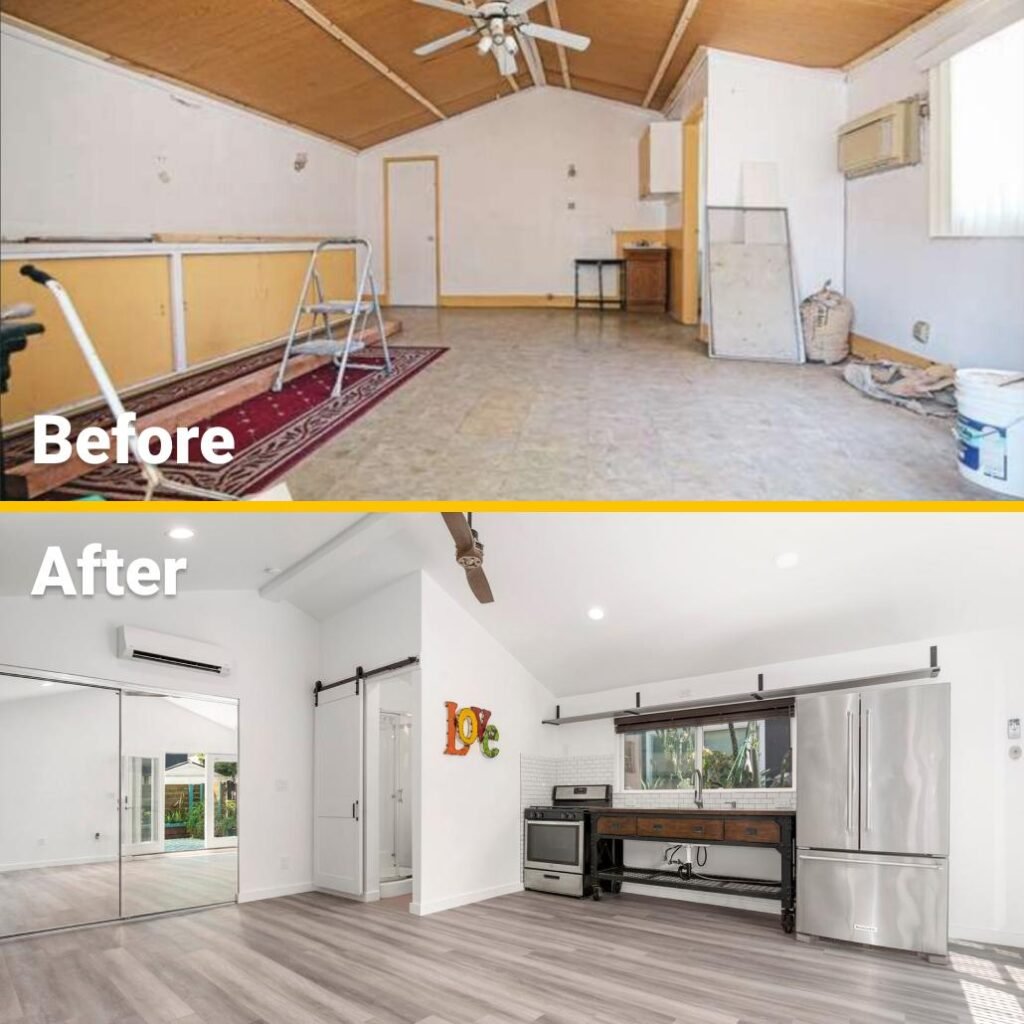
Garage Conversion House Hacking: How to Turn Your Garage Into a Rental
The fix for your mortgage might be sitting in your driveway. Here is how garage conversion house hacking works, what it costs, the legal must-haves, and how a DSCR loan can help new investors get started.
Read article